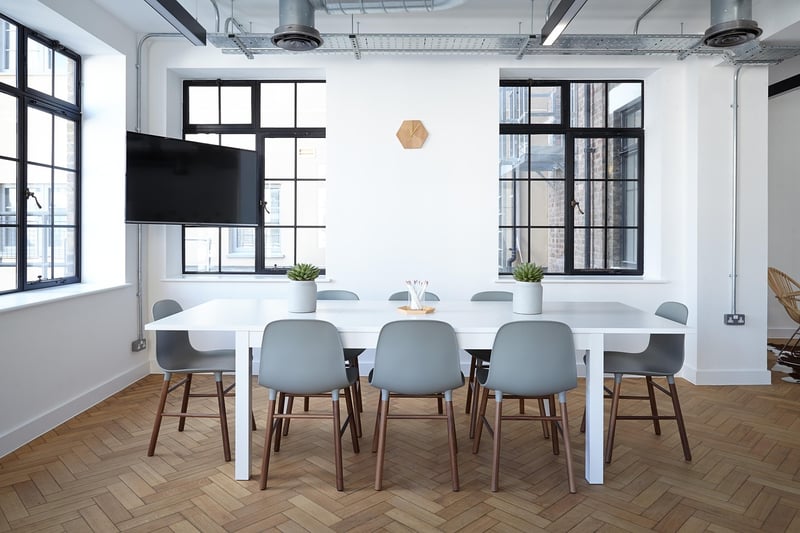

Optimizing Your Layout for Multi-Functional Use
When it comes to designing a space, whether it's a home, office, or retail environment, optimizing the layout for multi-functional use can greatly enhance its efficiency and appeal. By carefully planning and organizing the layout, you can create a versatile space that serves multiple purposes without compromising on style or functionality.
The Benefits of a Multi-Functional Layout
A multi-functional layout offers several advantages, including:
- Maximizing space utilization
- Increasing flexibility and adaptability
- Enhancing user experience
- Improving aesthetics
Tips for Optimizing Your Layout
Here are some tips to help you optimize your layout for multi-functional use:
- Define Your Needs: Identify the primary functions of the space and determine additional purposes it can serve.
- Zoning: Create distinct zones within the space for different activities while maintaining a cohesive design.
- Furniture Selection: Choose versatile furniture pieces that can be easily reconfigured or serve dual purposes.
- Storage Solutions: Incorporate smart storage solutions to keep the space organized and clutter-free.
- Lighting: Use a combination of ambient, task, and accent lighting to accommodate various activities and moods.
- Flexibility: Design the layout in a way that allows for easy adaptation to changing needs and preferences.
Examples of Multi-Functional Spaces
Check out these inspiring examples of multi-functional spaces:
- Transforming Furniture in a Tiny Apartment
- Creative Multi-Purpose Room Ideas
- Stylish Multi-Functional Room Designs
Conclusion
By optimizing your layout for multi-functional use, you can create a space that is not only efficient and practical but also aesthetically pleasing and adaptable to different needs. Take the time to carefully plan your layout, considering the tips mentioned above, and transform your space into a versatile environment that meets all your requirements.