

The Beauty of Minimalist Design
Introduction to Design Approaches
Design is a crucial element in our lives, shaping the way we interact with the world around us. There are various design approaches that designers employ to create impactful and meaningful experiences for users. One such approach that has gained popularity in recent years is minimalist design.
Understanding Minimalist Design
Minimalist design is a design approach that emphasizes simplicity and the removal of unnecessary elements. It focuses on clean lines, ample white space, and a limited color palette to create elegant and uncluttered designs. Minimalism is not just about aesthetics but also about functionality, with a focus on usability and user experience.
Benefits of Minimalist Design
- Enhanced user experience
- Faster load times
- Improved readability and focus
- Increased visual appeal
- Easy navigation
Examples of Minimalist Design
Some famous examples of minimalist design can be found in products like the Apple iPhone, websites like Google, and architecture like the works of Japanese architect Tadao Ando. These examples showcase how minimalist design can be both functional and visually striking.
Implementing Minimalist Design
When implementing minimalist design, designers should focus on simplicity, clarity, and purpose. They should eliminate unnecessary elements, use white space effectively, and choose a limited color palette. Typography also plays a significant role in minimalist design, with clean and readable fonts being preferred.
Conclusion
Minimalist design offers a refreshing and elegant approach to design, allowing for a focus on essential elements and improved user experiences. By embracing simplicity and clarity, designers can create designs that are not only visually appealing but also highly functional.
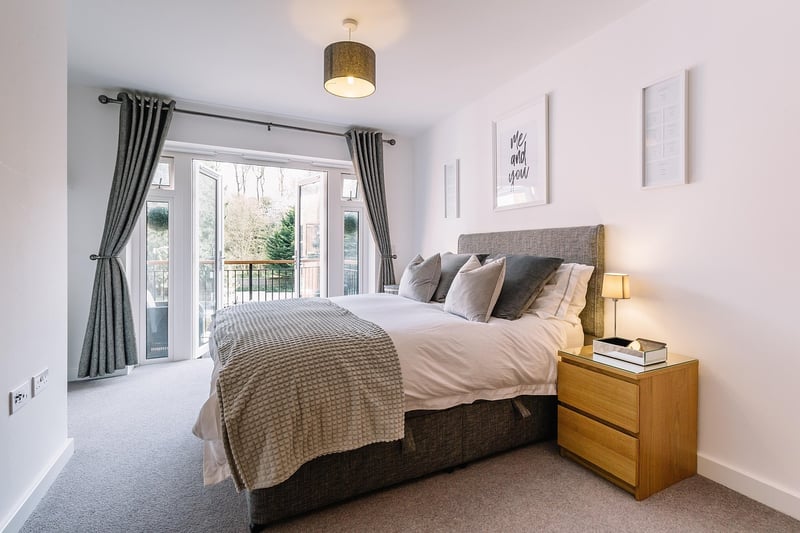
Explore the beauty of minimalist design and discover how less can truly be more in the world of design!